How a microphone changes a recording
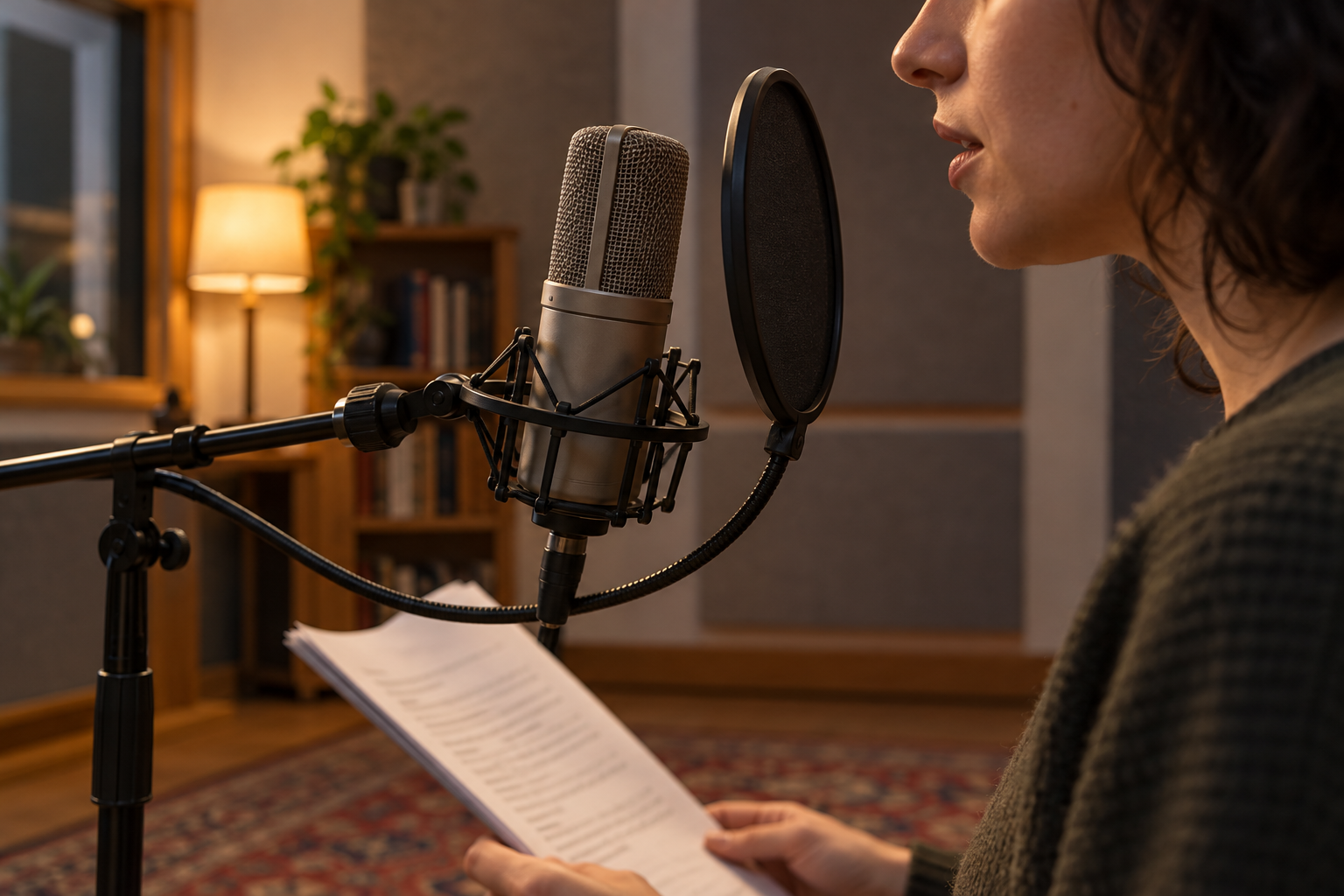
A microphone records one place in a room. Its distance, direction, capsule design and noise limits decide which parts of a voice and its surroundings reach the track.
About the author
I write about sound as a physical event in a place. I am interested in rooms, listening and measurement, and in the ways materials and geometry change what reaches an ear.
I build each essay around a concrete question, read the underlying sources and separate observed results from interpretation. I want the details to remain clear enough that a reader can follow the argument and examine the evidence.
A microphone records one place in a room. Its distance, direction, capsule design and noise limits decide which parts of a voice and its surroundings reach the track.
A wheel's web moves its vibration modes, but roughness at the wheel-rail contact and the demands of strength and weight decide whether a quieter shape works in service.
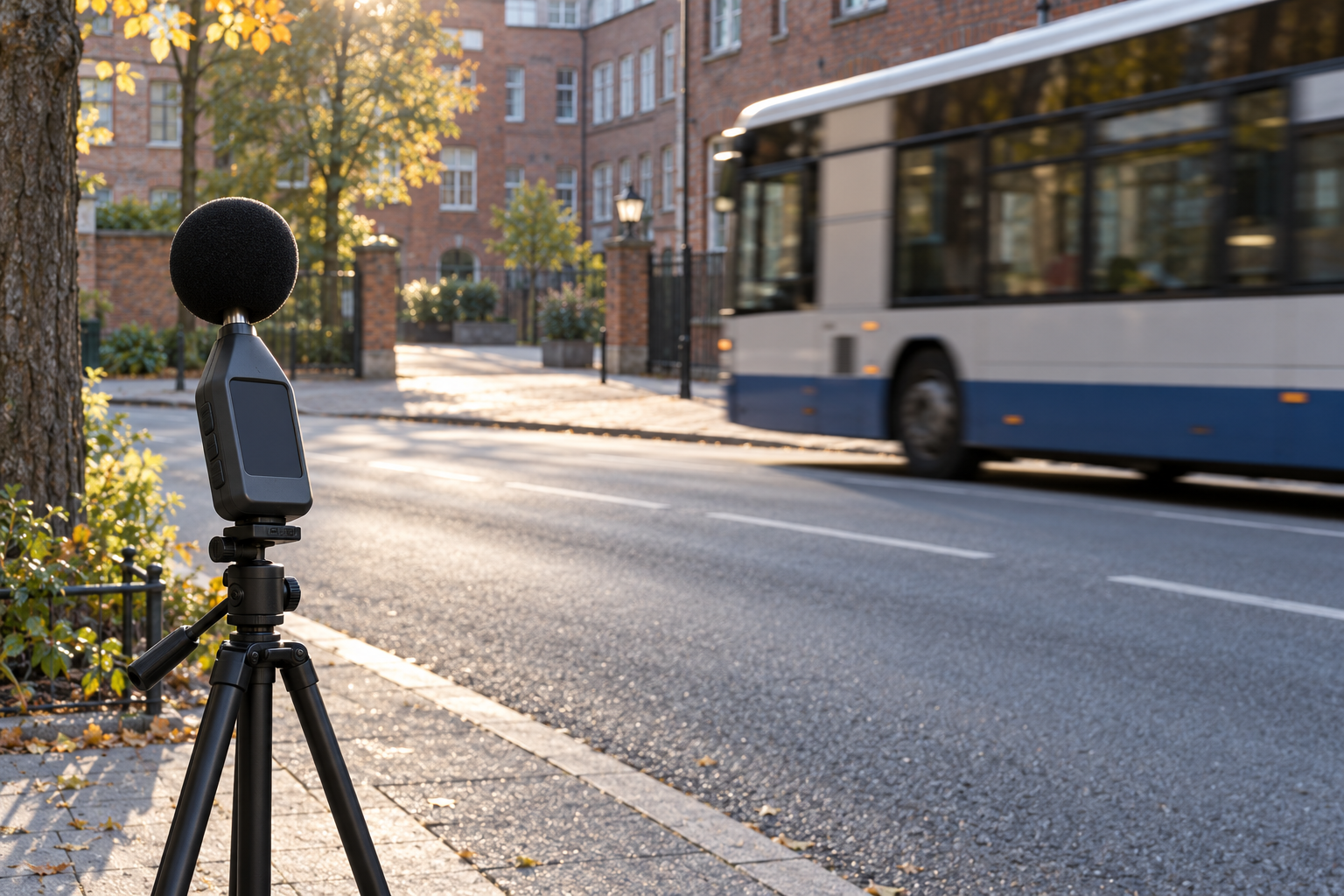
An equivalent sound level puts a noisy hour into one number. The number is useful, but the timing, peaks, frequency and setting tell the rest of the story.
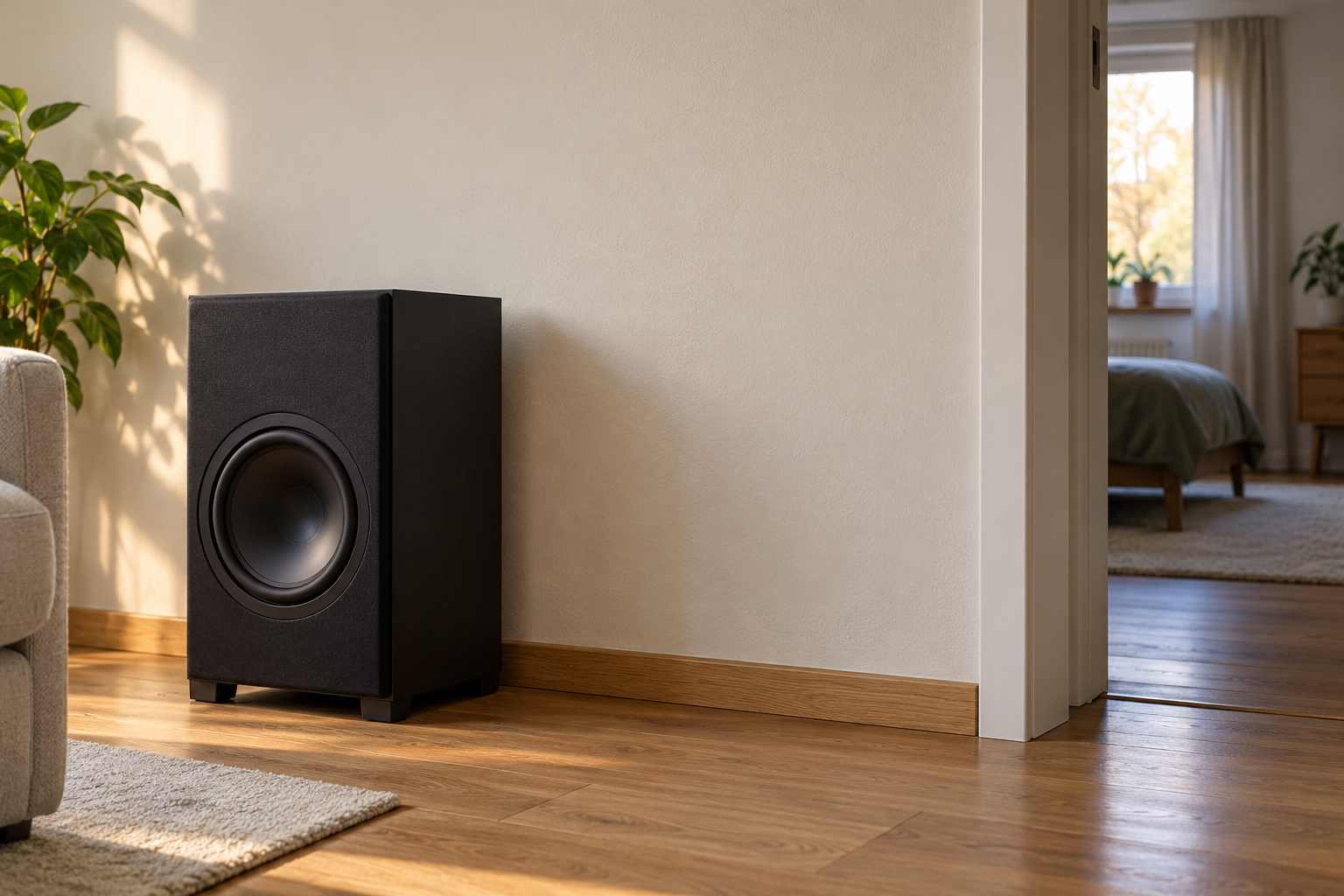
A low note can survive when speech fades through a partition. Mass, wall resonance, structural connections, and air gaps each give sound a different route into the next room.
A clap ends in an instant, but its sound follows longer paths around the room. Early returns, a fading tail and the listener's own adaptation shape what we hear.